

The Vacation-Coverage Safety Gap
Is Everyone Prepared to Take on the Work?
Summer vacations are important, but they can create unexpected safety gaps when experienced drivers, dispatchers, supervisors, warehouse workers, mechanics, or moving crew members are away.
A worker may be asked to operate an unfamiliar vehicle, cover a different route, supervise a crew, use equipment they do not normally handle, or complete a task that is usually performed by someone else. In some workplaces, fewer available workers may also mean that two-person jobs are attempted alone or that less-experienced employees are expected to take on additional responsibilities.
The employee providing coverage may know the company and have years of experience. That does not necessarily mean they are prepared for the specific work they have been assigned.
Before vacation coverage begins, employers should ask a basic question: Does this worker have the information, training, equipment, and supervision needed to perform the temporary assignment safely?
An experienced employee can still be a new worker
In British Columbia, a “new worker” is not limited to someone who was recently hired. WorkSafeBC explains that a new worker can be any age and may include someone who is new to a workplace or location or who is facing new hazards.
This distinction is particularly important during the summer months.
For example, a worker may be experienced but still be unfamiliar with:
-A different truck, trailer, forklift, liftgate, or piece of warehouse equipment
-A new delivery route or customer location
-Different cargo, load-securement requirements, or handling procedures
-Supervisory or dispatch responsibilities
-Working alone or in isolation
-Emergency procedures at another branch, yard, or warehouse
-Tasks normally completed by an absent co-worker
-The hazards associated with a temporary worksite or moving location
Employers should not assume that general industry experience automatically transfers to every vehicle, task, site, or responsibility.
Start with a proper handover
A rushed conversation on the last afternoon before someone leaves for vacation is not a reliable coverage plan.
Whenever possible, the outgoing employee and the person providing coverage should complete a structured handover. The information should be documented so the replacement worker does not have to rely on memory, incomplete notes, or assumptions.
Depending on the position, a handover may include:
-Current routes, schedules, customers, and site contacts
-Known hazards at regular delivery or pickup locations
-Vehicle, trailer, or equipment issues
-Outstanding maintenance or inspection concerns
-Cargo-handling and load-securement requirements
-Workers who require additional supervision
-Emergency procedures and escalation contacts
-Tasks that must not be completed without authorization or assistance
-Changes that occurred since the replacement worker last performed the role
The handover should identify not only what needs to be done, but also how the work is expected to be completed safely.
Confirm task-specific competency
Employers should review the temporary assignment before the coverage period begins and identify any duties that are new or unfamiliar.
WorkSafeBC advises employers to provide supervised, hands-on training for the specific tasks workers will perform. Training should cover how to complete the task safely, operate equipment, use required personal protective equipment, and follow safe work procedures. Employers should also observe the worker performing the task rather than relying only on verbal confirmation that the worker understands it.
A practical competency check could include:
- Explaining the task and its hazards

- Reviewing the applicable safe work procedure
- Demonstrating the task
- Having the worker perform it
- Correcting any unsafe steps
- Documenting the training
- Following up once the worker begins the assignment

If the worker cannot demonstrate the task safely, additional training or a different coverage arrangement may be required.
Under BC’s Occupational Health and Safety Regulation, employers must also provide additional orientation and training when workplace observation shows that a young or new worker cannot perform a task safely, or when the worker requests more training.
Do not let staff shortages change safe procedures
Vacation schedules can place pressure on the remaining team, especially during busy periods. However, reduced staffing should not result in workers bypassing established procedures.
Examples of unsafe coverage decisions could include:
-Sending one mover to handle an item that requires two people
-Backing a commercial vehicle in a congested area without an established plan
-Assigning equipment to someone who has not been trained to operate it
-Asking a worker to perform maintenance outside their qualifications
-Allowing a driver to take an unsuitable vehicle or trailer because the usual unit is unavailable
-Skipping vehicle inspections to make up for scheduling delays
-Expecting a dispatcher to manage more drivers than they can effectively monitor
-Combining duties in a way that creates fatigue, distraction, or excessive workload
If a task normally requires two workers, specialized equipment, certification, or direct supervision, those requirements do not disappear because someone is on vacation.
The appropriate response may be to reschedule the task, bring in qualified support, reduce the workload, or decline work that cannot be completed safely.
Prepare temporary supervisors
Supervisory coverage deserves particular attention.
A strong worker does not automatically become an effective supervisor when the usual supervisor is absent. The temporary supervisor must understand their health and safety responsibilities, including how to:
-Identify and address hazards
-Confirm workers are trained
-Enforce safe work procedures
-Respond to reported concerns
-Investigate incidents and near misses
-Arrange first aid or emergency support
-Manage a refusal of unsafe work
-Document corrective action
-Know when an issue must be escalated
WorkSafeBC emphasizes that supervisors have an important role in workplace safety and should be trained in both their responsibilities and the safety requirements for the work they oversee.
Temporary supervisors should also be given clear authority. Workers need to know who is supervising them, and the acting supervisor must know what decisions they are permitted to make.
Keep emergency information current
A coverage plan should account for more than routine duties. The replacement worker must also know what to do when something goes wrong.
Before the vacation begins, confirm that the person providing coverage knows:
-Who to contact after a collision, injury, equipment failure, or load shift
-How to summon first aid
-Where emergency equipment is located
-How to report a hazard, incident, or near miss
-Who can authorize a route change, repair, tow, or work stoppage
-What to do if the regular manager or safety contact is unavailable
-How to access necessary records, procedures, and contact lists
Emergency contact lists should include alternate contacts. A plan that directs everyone to call a person who is unavailable does not provide meaningful coverage.
Check in during the assignment
Training should not end once the worker begins covering the position.
Managers and supervisors should check in during the coverage period to determine whether:
-The workload is manageable
-Unexpected duties have been added
-The worker has encountered unfamiliar hazards
-Procedures are being followed
-Additional support or instruction is needed
-Fatigue, long hours, or scheduling pressure are developing
-Customers or co-workers are asking the worker to take unsafe shortcuts
Ongoing observation and follow-up are essential parts of worker training and supervision. Employers are also responsible for maintaining records of worker education, training, and supervision.
Workers providing coverage should be encouraged to ask questions and report when they do not feel prepared. Saying “I have not been trained for this” should be treated as useful safety information—not as a lack of cooperation.
Plan coverage before the absence begins
Vacation coverage should be part of operational and safety planning, not a last-minute scheduling exercise.
Before approving the final coverage arrangement, employers should confirm:
-The essential duties of the absent employee
-The hazards connected with those duties
-The qualifications and experience required
-Who will provide training and supervision
-Which tasks will be reassigned, delayed, or cancelled
-Who will respond when the replacement worker needs help
-How the plan will be communicated to the rest of the team
A short pre-vacation review can identify problems while there is still time to correct them.
Summer absences are predictable. The safety gaps they create should be predictable too.
By planning early, providing task-specific training, and maintaining appropriate staffing and supervision, employers can ensure that taking a vacation does not mean taking unnecessary risks.
Latest Resources
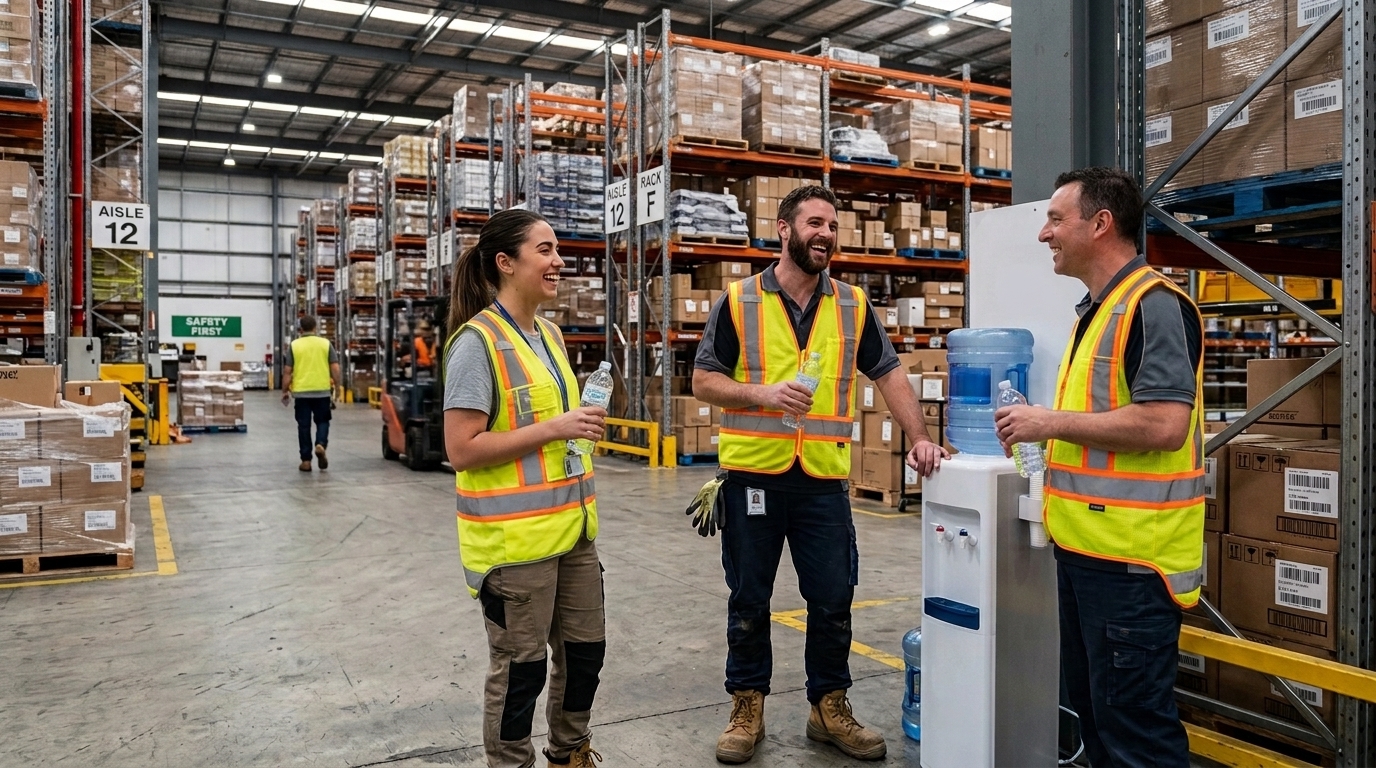
Hydration at Work
More Than Just Drinking Water During the summer, drivers, movers, warehouse employee ...

Small OHS Habits That Make a Big Difference
In trucking, moving, and storage, safety does not depend only on large policies or fo ...