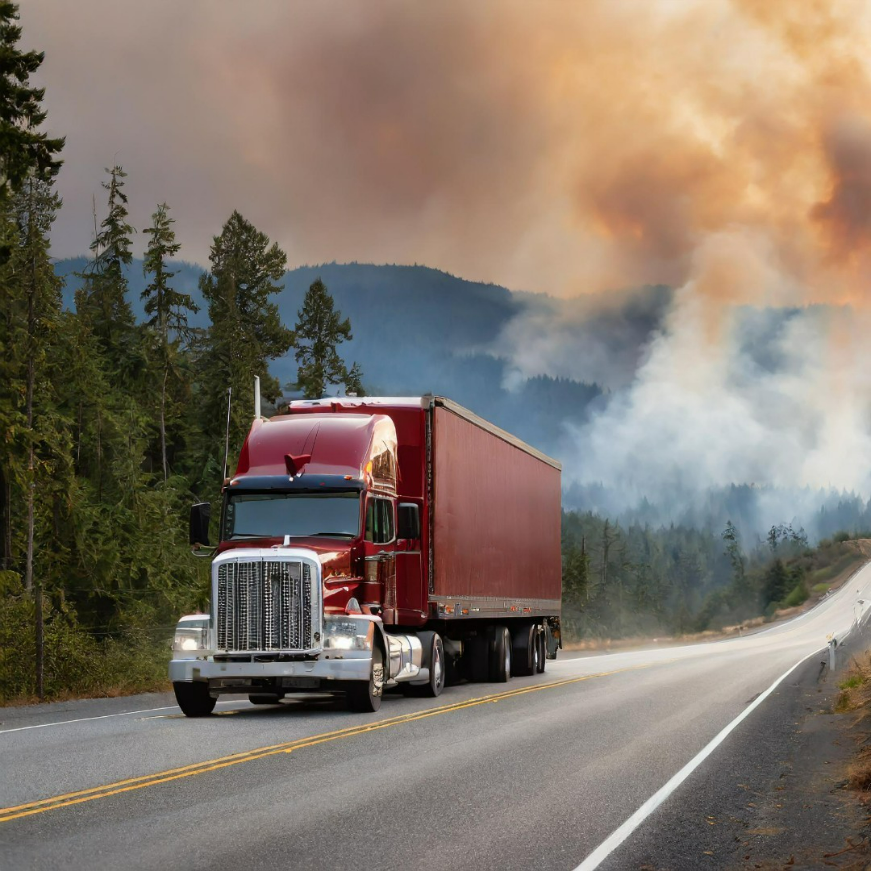
Seasonal Driving
Summer can be one of the busiest and most demanding seasons for commercial drivers in ...
British Columbia. Longer days, warmer temperatures, wildfire smoke, construction zones, tourist traffic, cyclists, motorcycles, and heavier highway volumes can all add pressure to an already complex job.
For employers, supervisors, dispatchers, and drivers, summer safety is about more than getting from point A to point B. It includes planning the route, inspecting equipment, managing fatigue, preventing heat stress, securing loads, and staying alert to changing road and worksite conditions.
Under B.C.’s Occupational Health and Safety Regulation, employers must assess and control heat exposure risks when workers may be exposed to conditions that could cause heat stress. Fatigue is also a workplace impairment risk that can increase the chance of incidents and injuries. For commercial transportation, both issues should be treated as part of day-to-day safety planning.
Start with heat stress prevention
Commercial drivers often do more physical work than people realize. Summer tasks can include tarping, chaining, strapping, climbing in and out of equipment, conducting inspections, opening trailer doors, walking around yards, and waiting at customer sites in direct sunlight.
In hot conditions, heat stress can develop quickly. The risk increases when workers are performing physical tasks, wearing PPE, working near hot equipment, or spending long periods outside.
Drivers should be prepared to:
-Drink water regularly throughout the day
-Take breaks in shaded or air-conditioned areas when possible
-Watch for symptoms such as dizziness, nausea, headache, heavy sweating, weakness, confusion, or unusual fatigue
-Report symptoms early instead of trying to push through
-Pace physical tasks such as tarping, load securement, and inspections when temperatures are high
-Keep extra water available in the cab
Employers and supervisors should make sure drivers have access to water, rest breaks, heat stress training, and clear procedures for reporting symptoms. Drivers working alone or in remote areas should also have a reliable way to check in.
Take fatigue seriously
Hot weather can make fatigue worse. Add long hours, traffic delays, tight delivery windows, road construction, and busy summer routes, and the risk becomes greater.
Fatigue can affect reaction time, attention, decision-making, and hazard recognition. For commercial drivers, even a small lapse in focus can have serious consequences.
Drivers should build rest into their day, use breaks properly, and speak up if they are too tired to drive safely. Dispatchers and supervisors should also plan realistic schedules that account for delays, weather, road conditions, and required rest periods.
A good summer safety plan gives drivers enough time to do the job safely, not just quickly.
Inspect equipment with summer conditions in mind
High temperatures are hard on commercial vehicles. Tires, brakes, cooling systems, belts, hoses, batteries, and fluids can all be affected by heat.
A strong pre-trip inspection should include:
-Tire pressure, wear, damage, and tread condition
-Brake condition and signs of overheating
-Coolant and other fluid levels
-Belts and hoses
-Lights, reflectors, and signals
-Windshield wipers and washer fluid
-Mirrors and visibility
-Load securement equipment
-Emergency supplies
-Air conditioning and ventilation
Small issues can become major problems on the road, especially on long grades, remote highways, or during extreme heat. Summer inspections should not be rushed.
Plan for changing road conditions
BC roads are busier in the summer. Commercial drivers may be sharing the road with more RVs, rental vehicles, motorcycles, cyclists, pedestrians, and tourists who may be unfamiliar with local routes.
Construction activity also increases during warmer months. Work zones can bring sudden slowdowns, lane shifts, reduced speed limits, uneven surfaces, workers on foot, and equipment entering or leaving the roadway.
Before heading out, drivers should check the route, weather, traffic, wildfire conditions, and construction delays. They should also plan fuel stops, rest areas, and alternate routes where possible.
On the road, drivers should increase following distance, reduce speed when conditions change, and expect unpredictable behaviour from other road users.
Keep load securement top of mind
Summer driving can mean longer trips, rougher construction zones, more frequent stops, and changing road surfaces. These conditions can affect cargo and securement.
Drivers should inspect load securement before departure and re-check it as required during the trip. Straps, chains, binders, tarps, edge protectors, and anchor points should be in good condition and appropriate for the load.
Extra attention should be paid to:
-Frayed or damaged straps
-Loose tiedowns
-Worn chains or hooks
-Shifting cargo
-Damaged anchor points
-Tarps that may loosen in the wind
-Loads affected by vibration or uneven roads
A secure load protects the driver, the public, the equipment, and the shipment.
Use PPE properly in hot weather
Personal protective equipment remains important in summer. Depending on the task or location, drivers may need high-visibility clothing, safety footwear, gloves, hard hats, eye protection, or hearing protection.
The key is making sure PPE protects the worker without creating a new hazard. In hot weather, heavy or poorly chosen PPE can increase the risk of overheating, restricted movement, or reduced visibility.
Employers should review whether PPE is appropriate for the task, the temperature, and the worksite. Drivers should inspect PPE regularly and replace damaged or ineffective items.
Safety is part of the schedule
Summer can put pressure on drivers and carriers to keep moving through delays, heat, roadwork, and heavier traffic. But safety cannot be treated as something separate from operations.
A safe summer trip starts with planning, continues with inspections and hazard awareness, and depends on drivers feeling supported when they need to stop, rest, report a concern, or take extra time to complete a task properly.
Commercial drivers keep BC moving in every season. In summer, the best results come from preparation, patience, and a clear commitment to getting everyone home safely.
How SafetyDriven Can Help
Summer safety works best when it is supported by strong systems, clear procedures, and ongoing training. That is where SafetyDriven can help.
SafetyDriven provides health and safety support for B.C.’s trucking and transportation industry, including resources, advisory services, training, and guidance to help employers strengthen their occupational health and safety programs.
Whether your team is reviewing heat stress procedures, improving driver safety practices, updating inspections and hazard assessments, or looking for practical tools to support supervisors and workers, SafetyDriven can help you build safety into everyday operations.
Contact us today to learn more about available resources, training, and safety support for your workplace.